
FAQs
Your Questions, Answered
Practical answers about safaris, seasons, costs and travel in Tanzania. If something is missing, just ask us.
Questions
Tanzania Safari FAQs
June to October is the classic dry season: easy game viewing, comfortable temperatures and reliable roads. December to March brings green landscapes, newborn animals and the calving herds on the southern Serengeti plains. Tanzania rewards travel in almost every month — the right choice depends on what you most want to see.
Five to seven days is the sweet spot for the northern circuit. Three days is workable if your time is short. Ten days or more lets you add southern parks, cultural days or a Zanzibar stay without rushing.
Cost depends on season, accommodation level, group size and route. Park fees alone are significant and are set by the government. Send us your dates and travel style and we will prepare a clear, itemised quote with no hidden extras.
Ours are private by default — your own 4x4, your own guide and your own schedule. Small shared-vehicle departures can be arranged if you would prefer to reduce the cost.
Yes. A private vehicle makes family travel much easier because drives can be shortened or paused at any time. Some camps set minimum ages, so we match accommodation to your children's ages.
Neutral-coloured layers, a warm fleece and windproof jacket for early drives, a wide-brimmed hat, sunglasses, sunscreen, insect repellent, binoculars, a spare camera battery and any personal medication. Soft bags are required for fly-in safaris.
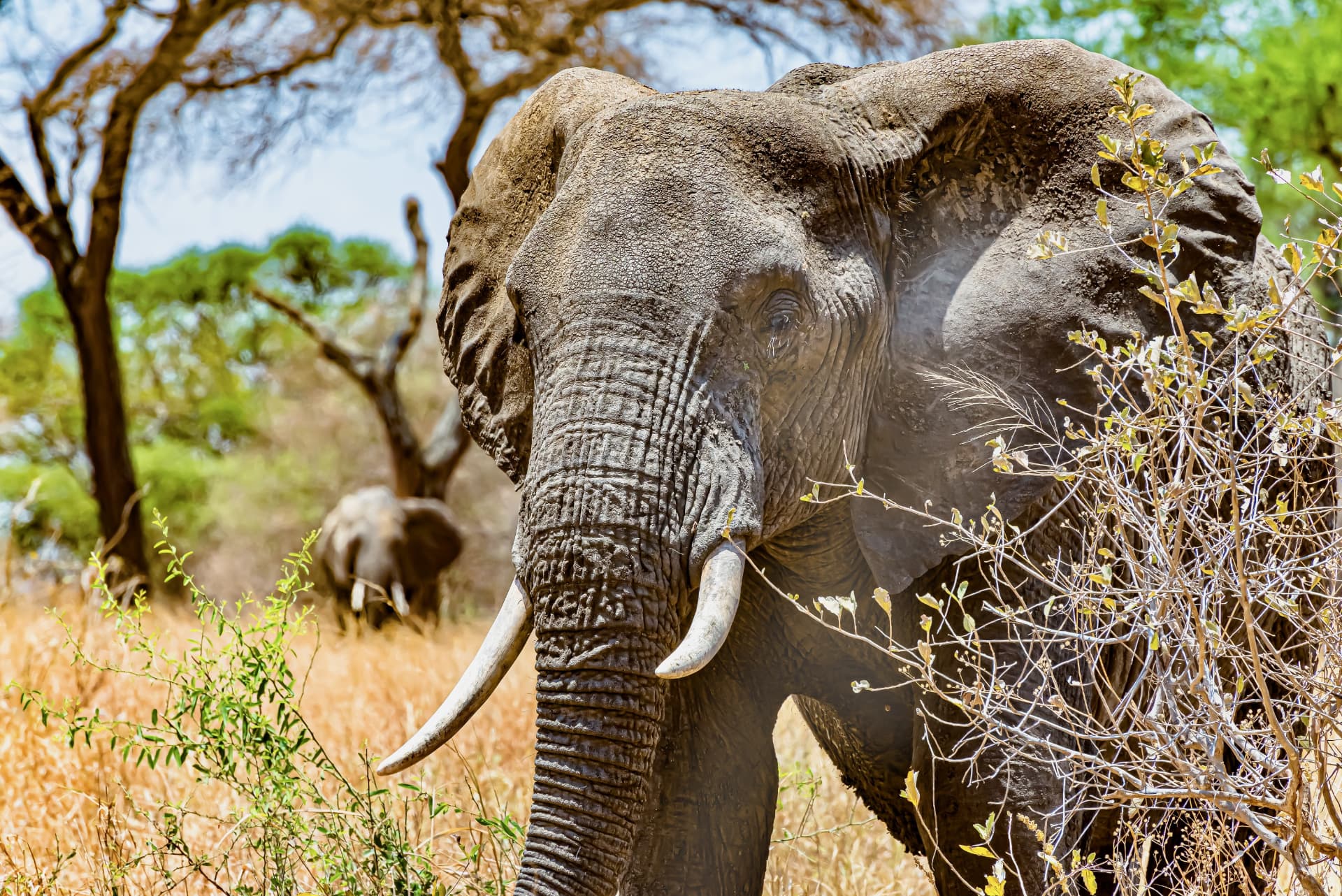
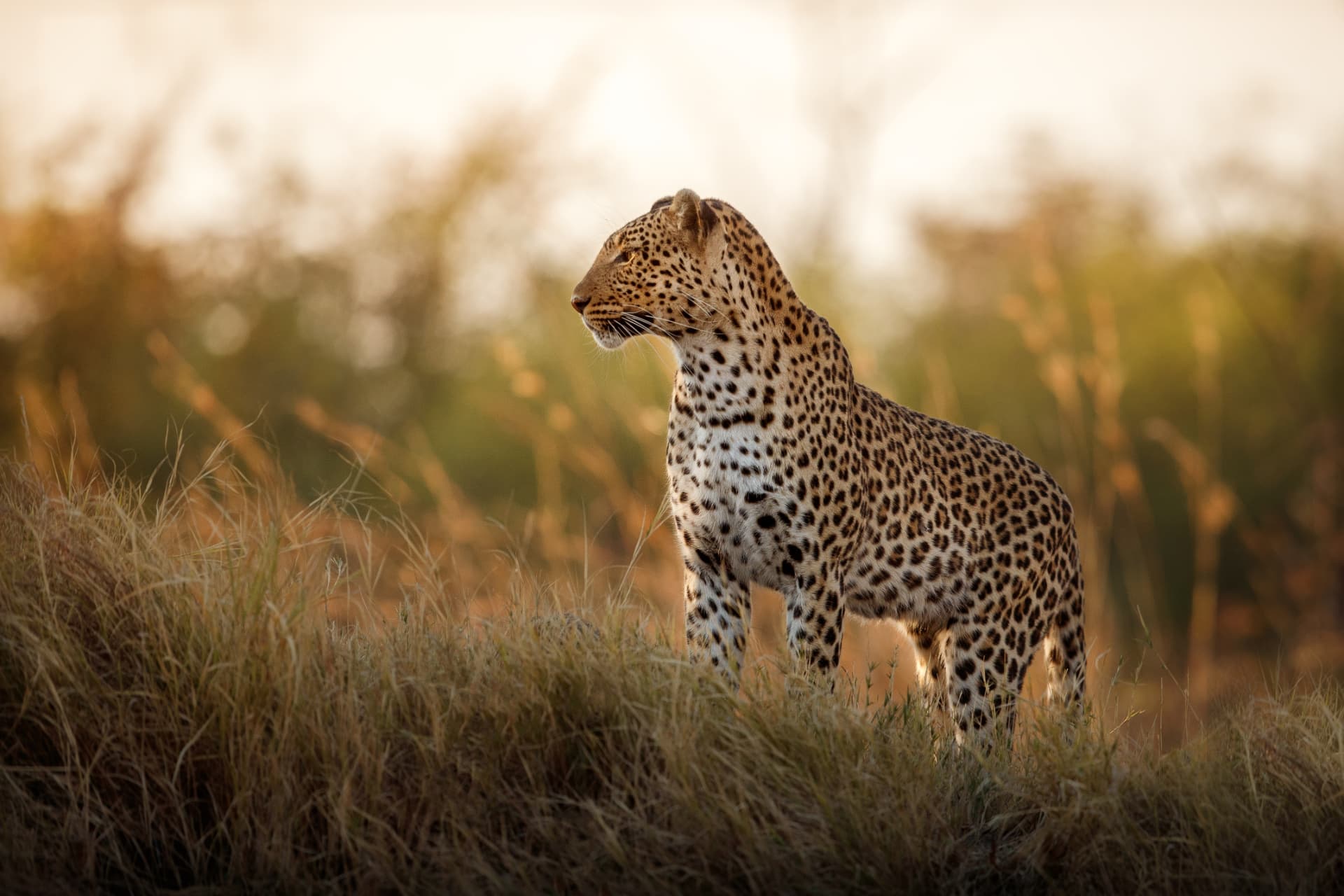
Lion, elephant, buffalo, leopard and rhino are all present in Tanzania, alongside cheetah, giraffe, hippo, wildebeest, zebra and hundreds of bird species. Rhino sightings are most likely in the Ngorongoro Crater.
Tanzania is a long-established and welcoming safari destination. Ordinary travel precautions apply in towns, and on safari you are with a professional guide at all times. We brief you before you travel and remain reachable throughout your trip.
Yes, and most guests do. Flights connect Serengeti airstrips and Arusha with Zanzibar, usually taking a single morning, so no safari day is lost to travel.
Questions
Kilimanjaro FAQs
Lemosho and the Northern Circuit offer the best acclimatisation and the highest success rates. Machame is a superb scenic route on a slightly tighter schedule. Marangu is the only hut-based route and Rongai the driest. We will recommend based on your fitness and available days.
There is no technical climbing, but it is a serious high-altitude trek. Summit night is long and cold. Good general fitness, sensible pacing and enough acclimatisation days matter far more than athletic ability.
Six to nine days on the mountain, depending on route. We strongly recommend at least seven — every extra acclimatisation day measurably improves your chance of reaching the summit.
Questions
Zanzibar FAQs
Scheduled light-aircraft flights leave Serengeti airstrips each day and connect via Arusha to Zanzibar, generally arriving the same afternoon. We arrange these flights as part of your itinerary.
Three nights is a pleasant pause; four to five nights is better if you want reef trips, Stone Town and genuine rest after safari.
Plan With Us
Still have a question?
Message us on WhatsApp and a member of our Arusha team will answer personally.