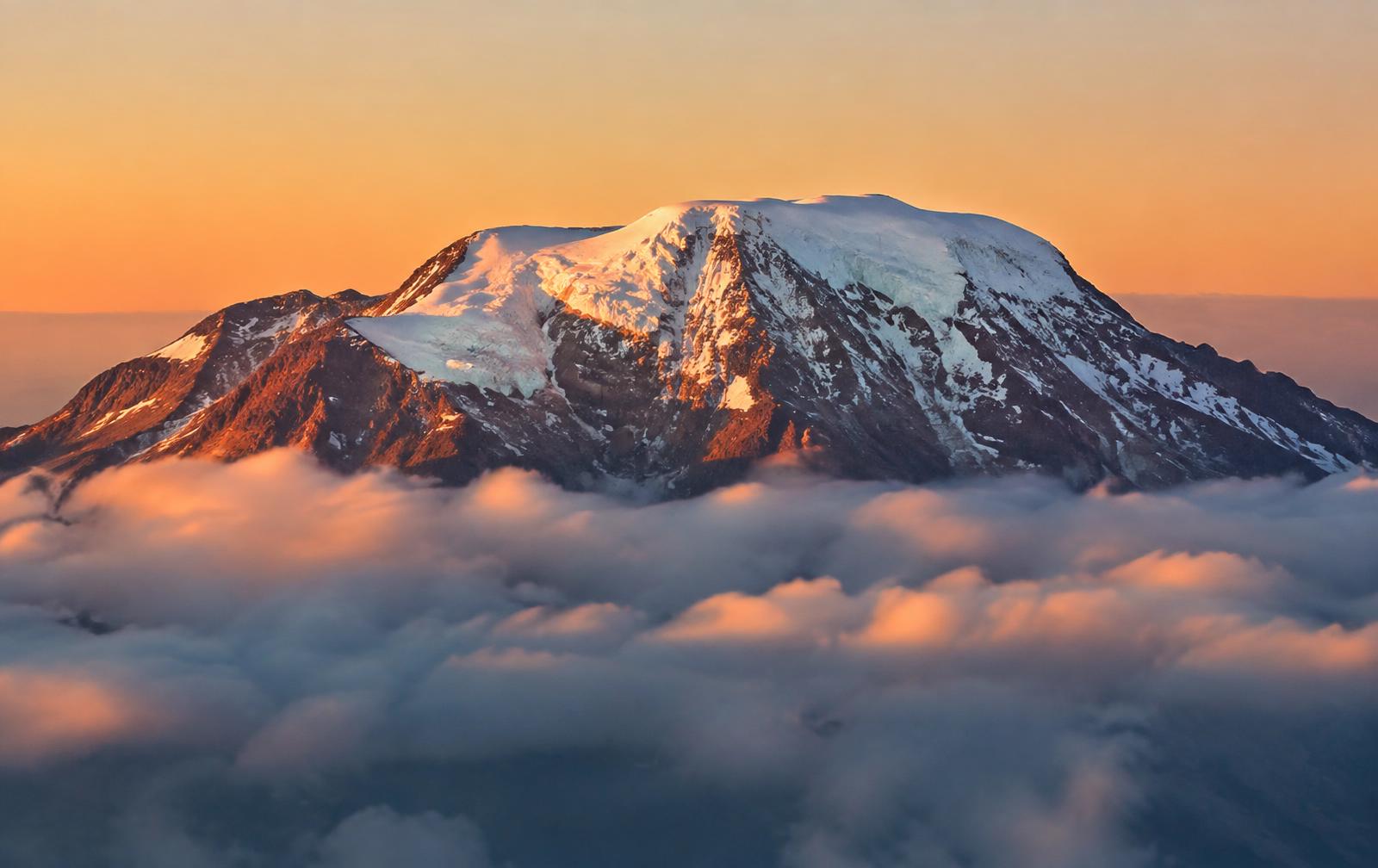
Mount Kilimanjaro · 5,895m
Climb Africa's Highest Mountain
Kilimanjaro is a walk, not a technical climb — but it is a long, cold, high one. We plan every ascent around acclimatisation, not speed.
The Mountain
Five climate zones in one week
From rainforest to alpine desert to arctic summit, Kilimanjaro compresses an entire continent of landscapes into a handful of days on foot.
Success on Kilimanjaro comes down to two things: a route with a sensible altitude profile, and a crew who watch you closely. We prefer longer itineraries — seven or eight days rather than five — because the extra nights are what get people to Uhuru Peak feeling human.
Every climb includes park fees, mountain crew, camping or hut accommodation, all meals on the mountain, and daily health monitoring with pulse oximetry. Private climbs run on any date; small group departures are arranged on request.
Routes
Six ways to the summit
Each route has a different profile, atmosphere and success rate. We will recommend the one that suits your fitness and time.
6 – 7 days
Machame Route
The 'Whiskey Route'. Scenically outstanding with a steeper profile — best taken over seven days for acclimatisation.
7 – 8 days
Lemosho Route
Our most recommended route. Quiet early days, a gradual altitude profile and high summit success rates.
5 – 6 days
Marangu Route
The only hut-based route. Comfortable sleeping, but the shortest ascent profile and a lower success rate.
6 – 7 days
Rongai Route
Approaches from the drier northern side. A good choice in the wetter months and notably uncrowded.
9 days
Northern Circuit Route
The longest route on the mountain, circling the northern slopes with exceptional acclimatisation.
6 days
Umbwe Route
Short, steep and demanding. Suitable only for experienced trekkers who acclimatise well.
Preparation
Best time to climb
January to mid-March is clear, cold and quieter. June to October is the long dry season, the most reliable weather and the busiest trails. April, May and November are wet — climbable on the drier Rongai side, but demanding.
Full-moon summit nights are extraordinary and book up early. Tell us if that matters to you and we will work backwards from the date.
What to pack
- Broken-in waterproof hiking boots and camp shoes
- Insulated summit jacket, fleece mid-layers and thermal base layers
- Waterproof jacket and trousers
- Warm hat, sun hat, buff, liner and insulated gloves
- Four-season sleeping bag (hire available)
- Trekking poles, head torch and spare batteries
- Two-litre water capacity plus a thermos for summit night
- High-factor sunscreen, lip balm and personal medication
Most technical items can be hired in Arusha or Moshi. We send a full checklist once your climb is confirmed.
Questions
Kilimanjaro FAQs
Lemosho and the Northern Circuit offer the best acclimatisation and the highest success rates. Machame is a superb scenic route on a slightly tighter schedule. Marangu is the only hut-based route and Rongai the driest. We will recommend based on your fitness and available days.
There is no technical climbing, but it is a serious high-altitude trek. Summit night is long and cold. Good general fitness, sensible pacing and enough acclimatisation days matter far more than athletic ability.
Six to nine days on the mountain, depending on route. We strongly recommend at least seven — every extra acclimatisation day measurably improves your chance of reaching the summit.
Plan With Us
Ready to stand on the roof of Africa?
Send us your dates and fitness background, and we will recommend the route with the best chance of a comfortable summit.